Sun Damage: How to Reverse It and Prevent It Long-Term. Find out about it in our aesthetic clinic based in Esher, Surrey
Sunlight plays an important role in wellbeing. It lifts mood, supports vitamin D production and, understandably, many of us look forward to time outdoors or holidays in warmer climates. However, repeated UV exposure remains one of the most significant contributors to premature skin ageing.
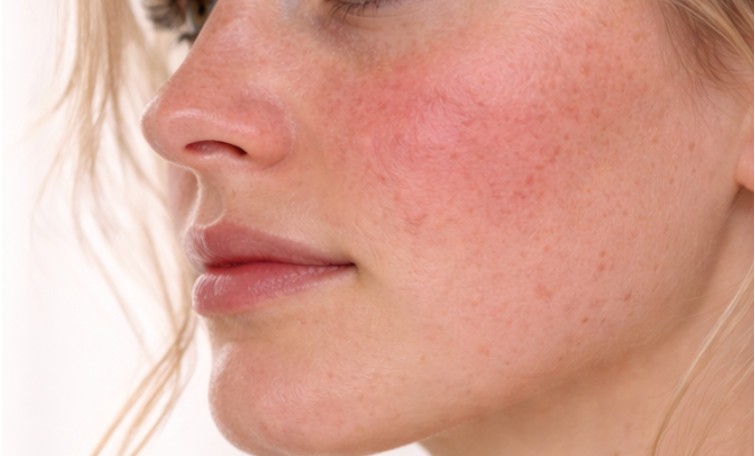
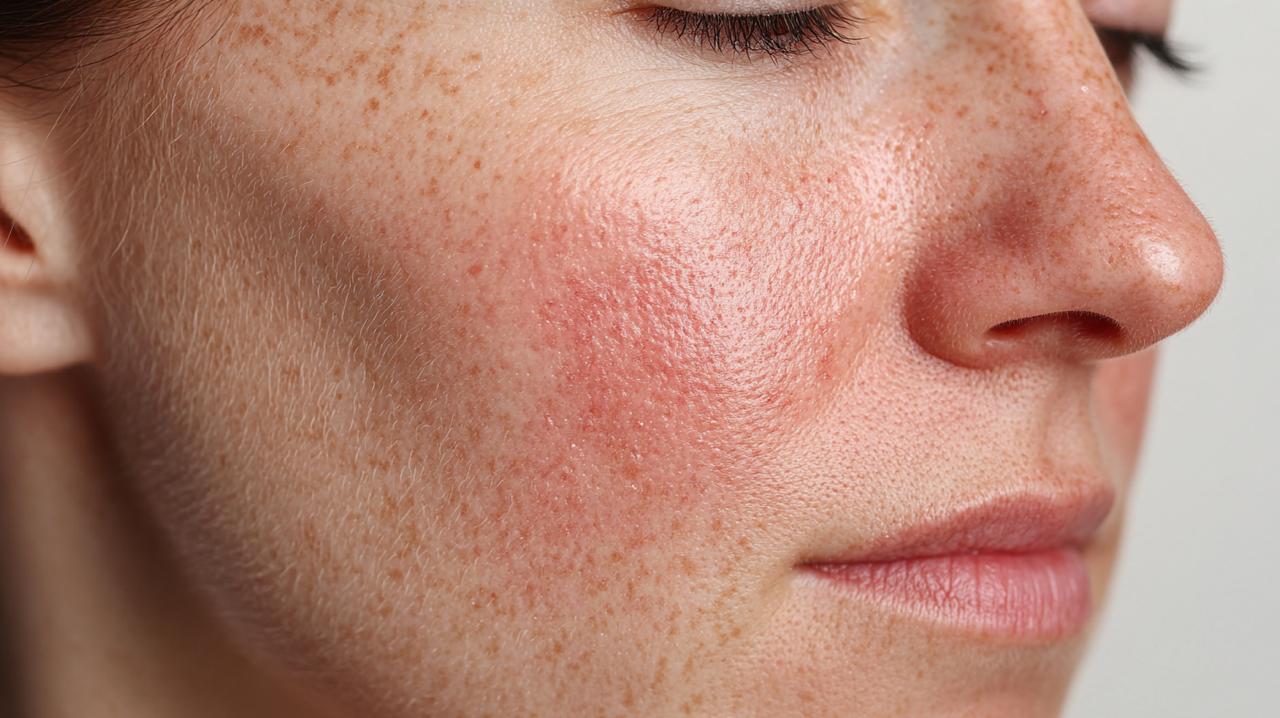
Sun damage rarely appears immediately. It develops gradually and often becomes noticeable years later in the form of pigmentation, uneven tone, fine lines, thinning skin and loss of elasticity. By the time patients become concerned about sun spots or changes in texture, the underlying collagen breakdown has usually been happening for some time.
The reassuring part is that skin quality can be improved. While we cannot completely undo decades of exposure, we can stimulate repair processes, strengthen the skin and significantly soften visible signs of photoageing.
At Revital Lab, the focus is on regenerative treatments that support long-term skin health rather than quick fixes.
Sunlight plays an important role in wellbeing. It lifts mood, supports vitamin D production and, understandably, many of us look forward to time outdoors or holidays in warmer climates. However, repeated UV exposure remains one of the most significant contributors to premature skin ageing.
Sun damage rarely appears immediately. It develops gradually and often becomes noticeable years later in the form of pigmentation, uneven tone, fine lines, thinning skin and loss of elasticity. By the time patients become concerned about sun spots or changes in texture, the underlying collagen breakdown has usually been happening for some time.
The reassuring part is that skin quality can be improved. While we cannot completely undo decades of exposure, we can stimulate repair processes, strengthen the skin and significantly soften visible signs of photoageing.
At Revital Lab, the focus is on regenerative treatments that support long-term skin health rather than quick fixes.
What Sun Damage Actually Does to the Skin
Ultraviolet radiation affects the skin in several ways.
UVA rays penetrate deeper into the dermis. They are largely responsible for collagen breakdown and the gradual loss of elasticity that leads to fine lines and laxity.
UVB rays affect the outer layers of the skin and stimulate melanin production. This is why pigmentation and sun spots often darken after holidays or periods of intense exposure.
Over time, repeated exposure contributes to:
- Hyperpigmentation and sun spots
- Uneven skin tone
- Rough texture
- Fine lines and deeper wrinkles
- Reduced skin density
This process is known as photoageing. It is cumulative, which means the effects build gradually over years.
Why This Conversation Often Starts in Spring and Early Summer
Each year, as spring approaches and holidays are being planned, we tend to see a shift in patient concerns.
People begin thinking about how their skin will look in stronger sunlight. Some notice pigmentation that developed after the previous summer and has not fully faded. Others are preparing for time abroad and want to strengthen their skin beforehand.
In the UK particularly, sun exposure is often inconsistent. There may be long periods of lower exposure followed by concentrated bursts during holidays. That pattern can trigger pigmentation changes, especially in those already prone to sun spots or melasma.
There is also a growing awareness of preventative skin health. More patients now ask about protecting collagen, supporting the skin barrier and preventing pigmentation before it becomes more pronounced.
This shift towards prevention is encouraging. Clinically, early intervention and consistent maintenance tend to produce more predictable and longer-lasting improvements than correction alone.
Can Sun Damage Be Reversed?
The word “reversed” can be misleading. It suggests a complete erasure of past exposure. A more realistic aim is improvement.
With the right approach, we can:
- Stimulate new collagen production
- Improve overall skin texture
- Reduce the visibility of sun spots
- Strengthen the skin’s resilience
Evidence supports collagen induction therapies, biostimulatory treatments and medical-grade skincare in improving photoaged skin.
Below are some of the treatments commonly used to support this process.
Microneedling for Sun Damage
Medical microneedling is one of the most studied treatments for improving texture and pigmentation related to sun exposure.
By creating controlled micro-channels in the skin, devices such as SkinPen stimulate the body’s natural wound-healing response. This triggers collagen and elastin production, leading to gradual dermal remodelling.
Patients often notice:
- Smoother texture
- Improved brightness
- Softening of fine lines
- Reduction in the appearance of superficial pigmentation
Microneedling works particularly well as part of a course, allowing collagen production to build progressively over time.
Read more about microneedling here
Sunekos Skin Booster
Sun damage significantly affects elastin as well as collagen. Loss of elasticity contributes to thinning, crepey texture and fine lines.
Sunekos is an injectable treatment containing a patented combination of amino acids and hyaluronic acid. Rather than adding volume, it stimulates fibroblasts to produce new collagen and elastin, improving skin quality from within.
It is often chosen for patients who want subtle rejuvenation and improved texture without looking treated.
Improvements are gradual and natural, focusing on skin health rather than structural change.
Read more about Sunekos here
Juliane Biostimulator
As collagen production slows with age and sun exposure, some patients benefit from deeper regenerative support.
Biostimulatory treatments such as Juliane encourage long-term collagen synthesis within the dermis. Rather than delivering immediate volume, they work gradually to improve density and firmness.
This can be particularly helpful for patients experiencing more advanced photoageing, where skin has become thinner and less resilient.
The goal is structural support and improved skin integrity over time.
You can read more about our regenerative injectable treatments here
The Role of Medical-Grade Skincare
In-clinic treatments are only part of the strategy. Ongoing protection is essential.
Daily broad-spectrum SPF remains one of the most evidence-based interventions for preventing further photoageing. Consistent use reduces ongoing collagen breakdown and limits new pigmentation formation.
Topical antioxidants, particularly vitamin C, help neutralise free radicals generated by UV exposure. Barrier-supporting formulations improve resilience and recovery.
At Revital Lab, we prioritise science-led skincare that supports collagen health and post-treatment recovery. This includes carefully selected medical-grade ranges designed to complement in-clinic procedures and enhance long-term results. While not all product ranges are currently displayed online, personalised recommendations are provided during consultation based on individual skin type and concerns.
Prevention is always more effective than correction.
You can explore our curated range of medical-grade skincare by visiting the shop on our website for products that support skin health and sun protection here.
A Practical Approach Before and After Holidays
For patients planning travel, timing matters.
Treatments that stimulate collagen, such as microneedling or skin boosters, are typically scheduled several weeks before sun exposure to allow the skin to recover fully. SPF adherence during and after travel is essential to protect results.
If pigmentation develops after a holiday, early assessment allows for targeted intervention before it becomes more persistent.
The most successful outcomes tend to come from combining:
- Collagen stimulation
- Pigmentation management
- Consistent sun protection
- Ongoing maintenance
This is not about aggressive intervention. It is about supporting the skin’s natural regenerative capacity.
Long-Term Skin Health
Sun damage is cumulative, but so are good habits.
Improving skin quality is rarely about one single treatment. It is about creating a long-term plan that supports collagen production, protects against further UV exposure and maintains barrier health.
Healthy skin is not achieved by avoiding sunlight entirely. It is achieved by understanding its effects and responding with the right preventative and regenerative strategies.
If you are noticing pigmentation, changes in texture or simply want to protect your skin before increased sun exposure, seeking advice early allows for a more considered and effective approach.
At Revital Lab, consultations are centred around realistic outcomes and evidence-based treatments tailored to individual skin concerns. If you are preparing for a holiday or noticing changes in your skin, you are welcome to arrange a consultation to discuss your options.