What’s the Best Age to Start Skin Tightening Treatments? A Doctor’s Guide – by Dr Raj Dhillon
Skin ageing doesn’t follow a fixed timetable. Some people begin noticing changes in skin firmness or a softer jawline in their 30s, while others reach their 50s with very little visible sagging.
But is there an ideal age to start skin tightening treatments? Does starting earlier actually produce better results, or is there a point when it’s too late to benefit?
With advances in non-surgical skin tightening and collagen-stimulating treatments, more people are choosing to take a preventative approach to skin ageing rather than waiting until changes become more noticeable.
In this guide, we explore when skin tightening treatments may be worth considering, how our skin changes with age and which treatments may be suitable throughout your 20s, 30s, 40s, 50s and beyond.
When Does Collagen Production Start to Decline?
Collagen is one of the key proteins responsible for keeping our skin firm, strong and supported. Alongside elastin, which allows the skin to stretch and return to its original shape, it plays an important role in maintaining a smooth, youthful appearance.
Although skin ageing varies between individuals, collagen levels naturally begin to decline during adulthood.
- Women: Collagen gradually declines during adulthood, with research suggesting skin collagen content can decrease by approximately 1% per year. This decline can accelerate around menopause, when women may lose up to 30% of their skin collagen within the first five years.
- Men: Collagen also gradually declines with age, although men generally have thicker skin and higher collagen density. Research suggests collagen loss tends to occur more steadily, without the sudden hormonal changes associated with menopause.
These changes can begin long before visible sagging develops.
Genetics, sun exposure, smoking, lifestyle and significant weight fluctuations can also influence how quickly skin ageing becomes noticeable.
Importantly, facial ageing isn’t just about collagen. Changes in facial fat, bone structure and the tissues supporting the skin can contribute to volume loss, jowls and reduced jawline definition.
This is why skin tightening treatments should be tailored to the individual rather than based on age alone.
Skin Tightening in Your 20s and 30s: The Benefits of Starting Early
Skin tightening and collagen-stimulating treatments aren’t only for people who already have visible sagging. Preventative skin rejuvenation is increasingly popular among people in their 20s and 30s who want to maintain skin firmness and address early signs of ageing.
At this stage, the focus is often on maintaining skin quality, supporting collagen production and treating subtle changes before they become more pronounced.
Anti-wrinkle injections are a popular preventative option, helping to soften early expression lines and potentially reduce the development of deeper wrinkles over time. Treatments such as SkinPen microneedling, Sunekos and selected collagen-stimulating injectables may also be considered depending on the patient’s skin condition and concerns.
For younger patients, treatment plans are often more conservative. Smaller treatment amounts, less intensive approaches or longer intervals between sessions may be appropriate, depending on the procedure and individual needs.
Research into preventative aesthetic treatments, sometimes referred to as prejuvenation, suggests that early collagen stimulation may have a role in maintaining skin quality.
Starting earlier doesn’t necessarily mean having more treatment. The aim is to maintain healthy-looking skin and achieve subtle, natural results without unnecessary intervention.
Skin Tightening in Your 40s: Addressing Early Skin Laxity
During our 40s, changes in skin firmness and facial structure often become more noticeable.
Collagen and elastin continue to decline, while changes in facial fat and underlying support can contribute to softer facial contours, early jowls and loose skin around the lower face and neck.
For women, hormonal changes during perimenopause can also affect skin hydration, thickness and elasticity.
At this stage, treatments may focus on both improving skin quality and addressing areas where laxity has started to develop.
Collagen-stimulating injectables such as Sculptra and JULÄINE may help improve skin quality and support gradual collagen production, while EndoDefine laser treatment may be considered for suitable patients experiencing more noticeable laxity around the jawline and lower face.
Anti-wrinkle injections can also continue to play a role in softening expression lines, alongside treatments targeting changes in skin firmness and facial contours.
Some patients may benefit from combining different approaches, particularly when skin laxity is accompanied by changes in facial volume or texture.
The most suitable treatment depends on whether the main concern is reduced skin firmness, loss of facial support or actual loose skin.
Skin Tightening in Your 50s and Beyond: Is It Too Late?
There is no upper age limit at which skin tightening treatments automatically stop being beneficial.
Although skin ageing becomes more established over time, patients in their 50s, 60s and beyond may still achieve worthwhile improvements with appropriately selected treatments.
Menopause can have a particularly significant effect on the skin. Declining oestrogen levels are associated with reduced collagen, increased dryness, thinning skin and loss of elasticity.
As a result, sagging around the cheeks, jawline and neck may become more noticeable.
Non-surgical treatments can still help improve skin quality, stimulate collagen production and address certain degrees of laxity. Anti-wrinkle injections may also help soften expression lines, although they cannot correct significant loose skin.
However, expectations are important. While non-surgical skin tightening may provide visible improvements, it cannot reproduce the lifting achieved through surgery, particularly where significant excess skin is present.
Rather than focusing on age, treatment suitability should be based on skin condition, overall health, the degree of laxity and the results the patient hopes to achieve.
Which Skin Tightening and Anti-Ageing Treatments Are Available?
Not all treatments work in the same way. Some focus on improving skin quality and encouraging collagen production, others reduce expression lines, while more targeted procedures address deeper tissues and noticeable laxity.
At Revital Lab, our doctor-led aesthetic clinic in Esher, Surrey, we offer several non-surgical options depending on individual concerns.
Anti-Wrinkle Injections
Anti-wrinkle injections are one of the most popular preventative aesthetic treatments, particularly for people in their late 20s and 30s who are beginning to notice fine lines and expression wrinkles.
By temporarily relaxing targeted facial muscles, anti-wrinkle injections help soften existing lines and may reduce the repeated movements that cause expression lines to become more deeply established over time.
For younger patients, smaller doses may be appropriate to achieve subtle, natural-looking results while maintaining facial expression. Treatment can also be effective in later decades for those looking to soften more established lines.
Although anti-wrinkle injections don’t directly tighten loose skin or stimulate collagen production, they can play an important role in a wider preventative skin ageing and rejuvenation plan.
SkinPen Microneedling
SkinPen microneedling creates controlled micro-injuries in the skin, stimulating its natural repair processes and encouraging collagen production.
It can help improve skin texture, fine lines and early signs of ageing, making it a popular option for those looking to maintain skin quality.
Sunekos
Sunekos combines hyaluronic acid with amino acids and is designed to improve skin quality and hydration.
It may be suitable for patients concerned about fine lines, crepey skin and reduced elasticity, particularly where improving skin texture is the priority.
Sculptra and JULÄINE
Sculptra and JULÄINE are collagen-stimulating injectable treatments designed to encourage gradual improvements in skin quality and facial support.
Rather than producing an immediate lifting effect, results develop over time as the skin responds to treatment.
EndoDefine Laser Skin Tightening
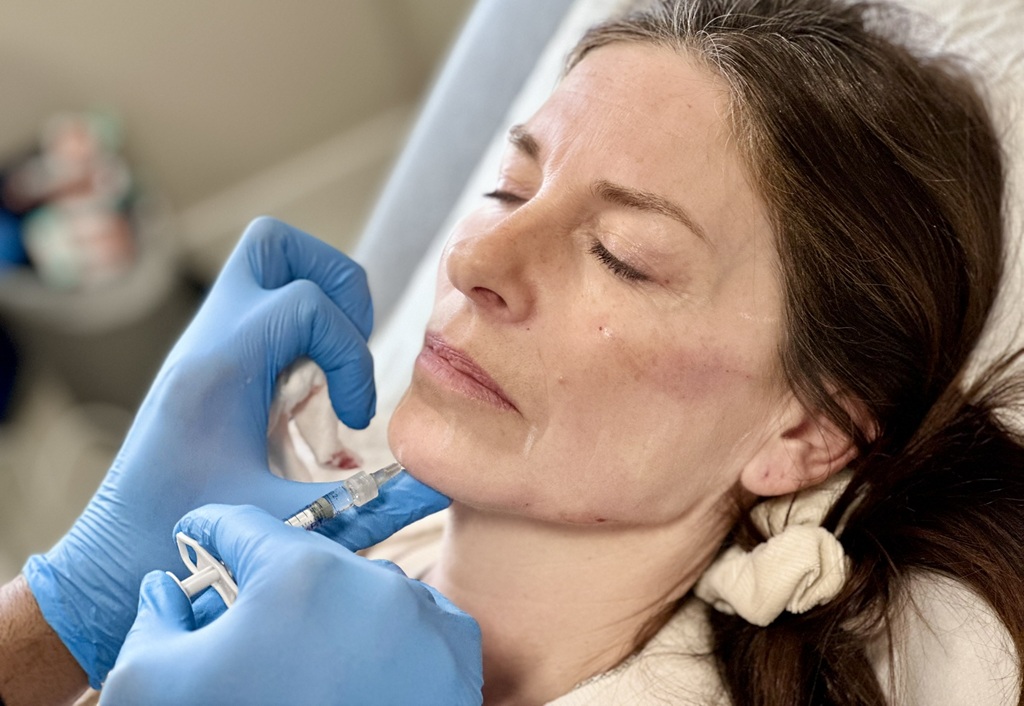
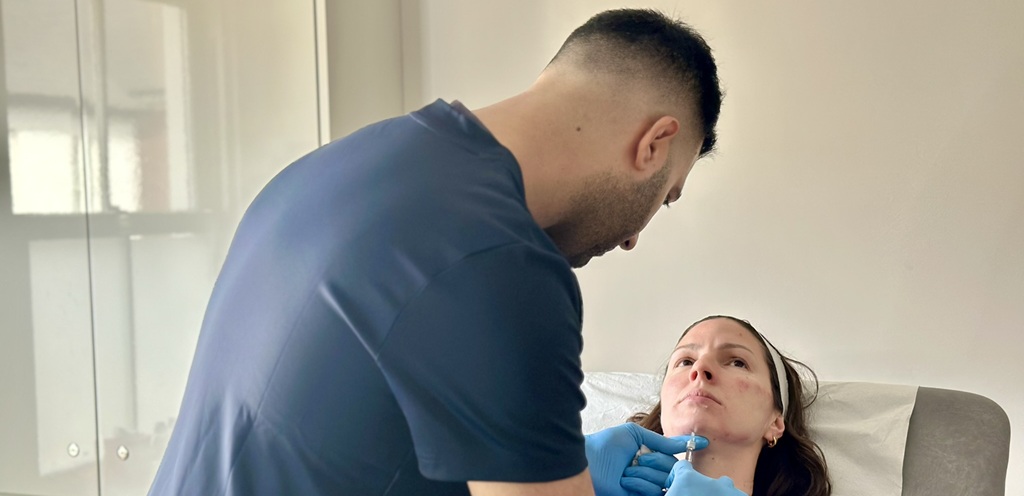
EndoDefine is a minimally invasive laser treatment designed to address skin laxity, particularly around the lower face, jawline and neck.
By delivering controlled laser energy beneath the skin, it encourages tissue contraction and collagen remodelling.
It may be suitable for patients looking to improve jawline definition or address early to moderate sagging without undergoing surgical lifting.
Is It Better to Start Skin Tightening Treatments Early?
There can be advantages to addressing changes in skin quality and firmness before laxity becomes more advanced.
Preventative treatments may help maintain skin quality, while early intervention can allow for a more gradual and conservative approach.
However, starting treatment younger doesn’t guarantee better long-term results or prevent the natural ageing process.
The effectiveness of non-surgical skin tightening depends on the treatment used, the condition of the skin and individual biological factors.
According to the American Academy of Dermatology, certain non-invasive skin tightening treatments produce gradual improvements over several months as collagen remodelling takes place.
For younger patients, treatment may involve smaller amounts or less intensive procedures, while those with more established laxity may benefit from a different approach.
The aim isn’t to start as early as possible or to wait until significant sagging develops. It’s to choose the right treatment at the right time for your skin.
Finding the Right Time for Your Skin
So, what’s the best age to start skin tightening treatments?
There isn’t one answer that applies to everyone.
Your 20s and 30s can be an appropriate time to consider preventative anti-wrinkle and collagen-stimulating treatments, while your 40s may bring changes that benefit from more targeted skin tightening. Patients in their 50s and beyond can also achieve meaningful improvements with the right approach.
Ultimately, skin condition matters far more than age alone.
At Revital Lab, our doctor-led aesthetic clinic in Esher, Surrey, we offer personalised consultations to assess skin quality, facial ageing and the most suitable non-surgical treatment options.
Whether you’re interested in preventative skin rejuvenation or addressing more noticeable skin laxity, our approach focuses on natural-looking results, appropriate treatment planning and realistic expectations.
Book a complimentary consultation at Revital Lab to discuss which skin tightening treatments may be right for you.